

『Oil Flow Meter 300C: Heavy Duty Metal Selection for Extreme Heat Systems』Related information(flow rotameter|digital flow meter|balo meter|hydraulic flow meter|volumetric meter|positive displacement meter|pitot tube flow meter|displacement meter|cfm meter|variable area flow meter|inline flow meter|differential pressure flow meter|calibrated flow meter|velocity meter|paddle wheel flow meter|oval gear flow meter|anemometer hvac|multiphase flow meter|doppler flow meter|thorpe tube flowmeter|heat flow meter)
Oil Flow Meter 300C: Heavy Duty Metal Selection for Extreme Heat Systems
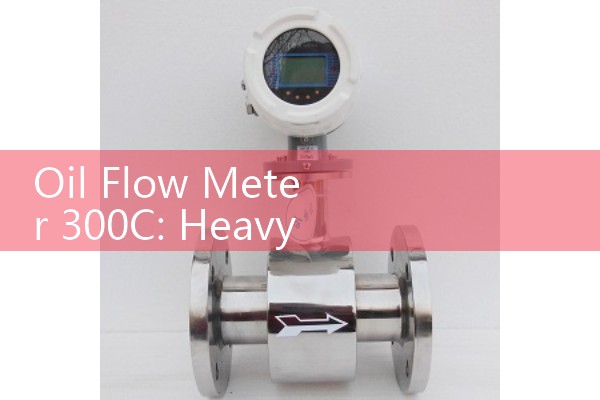
Quick Answer: The Silver Instruments Oil Flow Meter 300C measures mineral oils, heat transfer fluids and heavy fuel without cooling at continuous temperatures up to 300°C. It pairs an all‑welded 316L or Hastelloy C276 flow cell with a 4‑20 mA HART transmitter and direct PT100 input for mass flow calculations. This design eliminates seal leaks and drift, the two failure modes that kill standard meters above 250°C.
Most flow meters fall apart long before the fluid hits 300°C. Plastic pickup carriers melt, O‑rings shrink and leak, and the signal electronics drift because the sensor head sits too close to the pipe. The 300C solves all three problems with a fully metal body and a thermal standoff that keeps the converter cool enough to touch even when the process temperature sits at 300°C. The measuring element uses oval gears running on tungsten carbide bearings, no polymers anywhere inside the wetted chamber.
Why Standard Flow Meters Fail Above 250°C
Here is the thing: oil at 300°C can be thinner than water at room temperature, but it can also be thick as honey when it drops below pour point during shutdown. Standard meters handle one condition but rarely both. At high temperature the internal seals harden, the signal drifts and the meter body expands unevenly, jamming the rotor. The 300C deals with thermal expansion by matching the gear and body alloy from the start. We specify the clearance gap for the actual running temperature, not a handbook number. That means when you measure 280°C diphenyl oxide in a chemical plant in Thailand, the oval gears spin freely and the pulse output does not skip.
Metal Selection for 300°C Oil Applications
The standard body and gear material is 316L stainless steel, which handles most refined hydrocarbon streams and synthetic thermal oils up to 300°C without corrosion. For crude oil with sour service or waste oil with abasive particles, Silver Automation Instruments builds the 300C with Hastelloy C276 gears and a C22 body. The bearings are always tungsten carbide. The flanges are available as ASME B16.5 300 lb or EN 1092‑1 PN40, and we match the bolting material to the operating temperature to avoid galling after a few thermal cycles. In practice, a refinery in Saudi Arabia switched from a standard steel unit to a Hastelloy wetted 300C two years ago and stopped annual gear replacements entirely.
How the 300C Handles High Viscosity and Temperature Swings
Oval gear meters love viscous fluids. The 300C maintains plus minus 0.5 percent reading accuracy from 5 cP light hot oil up to 100 000 cP bitumen because the positive displacement principle does not depend on Reynolds number. Each pocket of fluid trapped between the gear teeth and the housing wall is a known volume. When we calibrate the meter for a distributor in Vietnam who loads hot asphalt at 180°C to 220°C into tanker trucks, we run the actual product through the meter at the same temperature in our hot oil lab, not a substitute fluid at ambient. This gives them a certificate that matches what the weighbridge sees to within a fraction of a percent.
Signal Output and Hazardous Area Compliance
The high‑temperature transmitter delivers 4‑20 mA HART with a configurable pulse for totalizing. You connect a PT100 directly to the terminal; the converter uses the live density‑temperature curve stored in its memory to output mass
Installation Practices to Avoid Early Failure
We have seen this on customer sites many times: the meter arrives, the pipe fitter bolts it in place, and ten minutes later the gear shaft is bent because the pipe was strained or the line was not preheated. You must bring the pipe temperature up slowly before you allow full flow. Always install a Y‑strainer 40 mesh upstream; hard carbon particles that drop out of heat transfer oil will score the oval gears fast. Mount the meter with the rotor axis horizontal and make sure the upstream and downstream straight pipe runs meet the length we give in the manual. For DN25 and smaller, use a support bracket to take the weight of connected pipework.
Industries That Rely on 300°C Oil Flow Data
Asphalt blending terminals in Southeast Asia run the 300C on bitumen loading skids. Middle Eastern chemical plants use it on hot oil circulation loops at 280°C to 300°C, where a single leak would cause days of downtime. A paint manufacturer in Mexico replaced a Coriolis meter with the 300C on a resin transfer line because the Coriolis could not handle the low flow rate at high viscosity. Marine bunker fuel traders in Panama measure IFO 380 at 120°C to 150°C, then reuse the same meter model for lube oil at 40°C the next shift. The all‑metal design does not care about the temperature span.
To request a price or discuss your high‑temperature oil flow setup, send us your operating pressure in bar, fluid temperature in degree Celsius, pipe size in DN, and the minimum and maximum flow range. Our engineers will confirm the correct alloy and bearing grade for your fluid. Include the viscosity value if you have it. You can view the full Oil Flow Meter 300C datasheet on the Silver Automation Instruments website.
FAQ: High‑Temperature Oil Flow Meter 300C
Q: What is the maximum continuous temperature rating?
The 300C operates continuously at 300°C. Short‑term peaks of 310°C are acceptable without damage. The rating assumes correct alloy selection and standard ambient conditions for the converter.
Q: Which metals can I choose for wetted parts?
Standard wetted parts are 316L stainless steel. For higher corrosion resistance we offer Hastelloy C276 or C22. Bearings are tungsten carbide, and no elastomers or polymers touch the fluid.
Q: Do I need external cooling when the oil is at 300°C?
No. The thermal barrier between the sensor and the electronics housing keeps the transmitter at a safe temperature. There is no need for water cooling or heat sinks on the pipe.
Q: Does the meter work with very viscous oil like bitumen?
Yes. Oval gear meters measure high‑viscosity fluids with very small slip. We calibrate each meter for the real viscosity range of the customer application, from 5 cP up to 100 000 cP.
Q: Is the Oil Flow Meter 300C ATEX certified?
Yes. The high‑temperature version carries ATEX Zone 1 Ex d IIC T3 and IECEx certification. The T3 temperature class is essential for 300°C process connections.
 Hot Blog
 Related AD