

『Flow Indicator Vs Flow Meter Comparison: Visual Sight Indicators vs Precision Data Sensors』Related information(flow rotameter|digital flow meter|balo meter|hydraulic flow meter|volumetric meter|positive displacement meter|pitot tube flow meter|displacement meter|cfm meter|variable area flow meter|inline flow meter|differential pressure flow meter|calibrated flow meter|velocity meter|paddle wheel flow meter|oval gear flow meter|anemometer hvac|multiphase flow meter|doppler flow meter|thorpe tube flowmeter|heat flow meter)
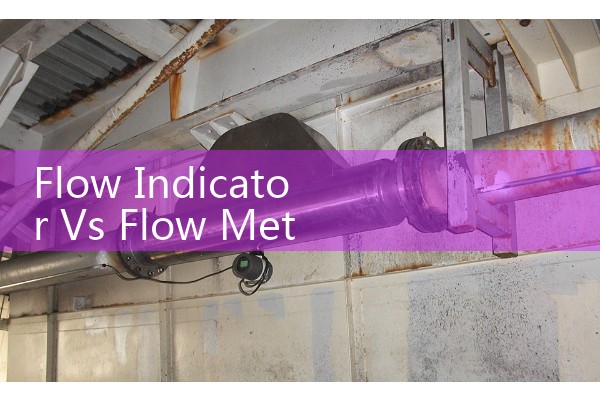
Flow Indicator vs Flow Meter Comparison: Visual Sight Indicators vs Precision Data Sensors
Quick Answer: A flow indicator shows you whether liquid or gas is moving in a pipe. A flow meter measures the flow and sends a signal such as 4-20 mA, pulse, or HART. If you only need visual confirmation, use a sight flow indicator. If you need total flow, batch control, or trending, choose a flow meter.
Flow indicators and flow meters often sit in the same pipe run, but they solve different problems. Many operators confuse both because both show movement. In practice, the difference comes down to data. A flow indicator gives a visual clue. A flow meter gives engineering units.
What a Flow Indicator Does
A sight flow indicator is a direct visual device. It has a glass or polycarbonate window installed inline. You can see fluid movement, color, and sometimes gas bubbles. Common sizes are DN10 to DN100. Standard bodies use 304 or 316 stainless steel. Some models handle pressures up to 10 bar and temperatures up to 100°C. For higher temperature or aggressive chemicals, you choose borosilicate glass and PTFE seals.
Flow indicators do not output a signal. No 4-20 mA, no pulse, no HART. They only work when an operator is physically close to the pipe. Most engineers skip this part during early design, but it matters. If the pipe is in a dark basement or 20 meters above the deck, the visual indicator becomes useless during routine checks.
What a Flow Meter Does
A flow meter converts movement into a measured value. It can read volumetric flow, mass flow, temperature, and totalized flow. Silver Instruments electromagnetic flow meters cover DN15 to DN2000. They send 4-20 mA HART signals to a PLC or a paperless recorder. Accuracy is often ±0.5% of reading. Vortex flow meters work on steam, gas, and liquid lines from DN15 to DN300. Oval gear flow meters cover DN4 to DN50 and handle viscous liquids up to 300 cP.
The key difference is output. A flow meter gives you numbers like 1200 kg/h or 45 L/min. You can set alarms, close valves, log batches, and integrate with SCADA. A sight flow indicator cannot do any of that.
Cost and Installation Comparison
A basic sight flow indicator is cheaper than an electromagnetic flow meter. For a DN25 stainless steel sight glass, budget between 40 and 120 USD depending on material and approval. A DN25 electromagnetic flow meter starts higher, often 350 to 600 USD, depending on liner and electrodes.
Installation is also different. A sight flow indicator only needs a pipe cut and two flanges. No wiring, no converter, no transmitter. A flow meter requires power, signal cable, grounding, and sometimes a straight pipe run. But the meter gives you remote visibility. A flow indicator forces a walk down.
We have seen a paint manufacturer in Vietnam install a sight glass on a solvent return line. It worked for spot checks. Later they added an oval gear flow meter because they needed batch records for every mixing tank. The sight glass stayed, but the meter became the primary measurement.
When to Choose a Flow Indicator
Use a sight flow indicator when you only need to confirm flow presence or direction. The pipe should be accessible at eye level. The fluid should be visible enough for a quick look. Common cases include pump priming, filter inspection, lube oil feed, cooling water return, and CIP return lines in food plants.
Marine operators also use them on small ballast water check points. A visible flow through a DN40 sight glass tells the crew the line is not blocked. No sig
When to Choose a Flow Meter
Use a flow meter when the process needs totalized volume or mass. You also need a meter for batch control, dosing, data logging, or remote monitoring. A wastewater treatment plant in Queensland uses an electromagnetic flow meter on DN300 sludge lines. Operators monitor sludge flow from the control room. A visual indicator would not help during night shifts or rain.
Specific Model Pairings by Industry
Silver Automation Instruments is a flow meter manufacturer and supplier. We supply both visual sight flow indicators and precision flow meters. For water and wastewater plants, the electromagnetic flow meter with PTFE liner and 316L electrodes is the common choice. It handles sludge, raw sewage, and return activated sludge from DN15 to DN600.
For edible oil, molasses, or chocolate, an oval gear flow meter works well. It tolerates viscosity up to 300 cP and gives a pulse output. A food grade sight glass before the meter helps operators see product color and air pockets.
For steam boiler rooms, a vortex flow meter on DN50 or DN80 lines gives mass or volume data. It supports temperatures up to 250°C. A sight glass is not recommended for steam because it does not capture flow rate and can be a safety risk if not specified correctly.
For fuels and solvents, a positive displacement oval gear meter with an optional pulse output gives batch accuracy. A customer in Dubai uses a DN15 oval gear meter to monitor diesel transfer from a day tank. It logs each transfer on a paperless recorder. They also kept a simple sight flow indicator upstream to see if the diesel line was primed.
How to Specify Your Process
When you send us an inquiry, include all process variables. Send us your pressure (bar), temperature (°C), pipe size (DN), and flow range. Add fluid name, viscosity in cP, and conductivity in µS/cm if you are not sure about the right technology. Our engineers will confirm the selection within one working day. For projects in hazardous areas, tell us the zone classification. We can supply ATEX Zone 1 versions for many flow meter types.
FAQ
Can a flow indicator replace a flow meter?
No. A flow indicator only gives a visual signal. A flow meter provides accuracy, totalization, and an analog or digital output. They solve different jobs.
What is the cost difference?
A simple DN25 sight flow indicator may cost around 40 to 120 USD. A DN25 electromagnetic flow meter with transmitter usually starts at 350 USD and goes up with liners, approvals, and communication protocols.
Do sight flow indicators work with dark or opaque liquids?
Yes, with limitations. You may see movement of the spinner or flapper, but not color. For very dark liquids, a magnetic or flapper style indicator works better than a simple glass window.
Which flow meter is best for viscous food products?
An oval gear flow meter is often the first choice for honey, syrup, molasses, and chocolate. It handles high viscosity and gives precise batch volumes. A Coriolis mass flow meter is better if you also need density or mass accuracy.
What information do you need for a flow meter quote?
Send fluid name, pressure in bar, temperature in °C, pipe size in DN, flow range in L/min or kg/h, and output preference such as 4-20 mA HART, pulse, or RS485. For slurry or wastewater, include solids content.
Silver Automation Instruments
Tel: +86-25-68650347
Whatsapp: +86-25-52155837
WeChat: +86 15365082610
 Hot Blog
 Related AD