

『Synthetic Oil Flow Meter Chemical Compatibility Testing Guides』Related information(flow rotameter|digital flow meter|balo meter|hydraulic flow meter|volumetric meter|positive displacement meter|pitot tube flow meter|displacement meter|cfm meter|variable area flow meter|inline flow meter|differential pressure flow meter|calibrated flow meter|velocity meter|paddle wheel flow meter|oval gear flow meter|anemometer hvac|multiphase flow meter|doppler flow meter|thorpe tube flowmeter|heat flow meter)
Synthetic Oil Flow Meter Chemical Compatibility Testing Guide
Quick Answer: A synthetic oil flow meter must use wetted materials that resist attack from polyalphaolefin (PAO) base stocks, ester additives, and aggressive anti-wear packages. Standard NBR seals often swell or fail within weeks. Silver Automation Instruments equips meters with PTFE, 316L, or Hastelloy C276 for direct contact with synthetic lubrication oils and hydraulic fluids. Request a material trace certificate from our factory before shipping to your site.
Most flow meter failures on synthetic oil lines start with a swollen O-ring or a pitted bearing. A customer in Vietnam running a PAO-based gear oil blending skid learned this the hard way. The turbine meter they used initially had Buna-N seals. After three months, the seals softened, the meter bearing seized, and the bypass line activated. We replaced that unit with an oval gear flow meter equipped with FFKM seals and a tungsten carbide shaft. That installation has run for 18 months without a single drift in accuracy.
In practice, chemical compatibility testing is not a one-time checklist. It becomes a recurring task whenever your formulator changes the additive package. Many synthetic oil blends now contain extreme-pressure additives that attack even 316L surfaces at elevated temperatures. Because these fluids degrade meter internals gradually, the drift in K-factor often goes unnoticed until the batch records show a 2% to 5% material loss.
Why Chemical Compatibility Matters More for Synthetic Oils
Synthetic oils are not chemically identical to mineral-based oils. A PAO base fluid has a different polarity and a different tendency to swell elastomers compared to a Group I mineral oil. Ester-based synthetic oils can dissolve certain plastics used in flow meter chambers. When you measure fluids like Mobil SHC 600 series or a synthetic ester compressor oil, the wetted materials inside the meter body, the gears, the bearings, and the signal pickoff O-ring all face a unique chemical environment.
We have seen this on customer sites many times. A lubricant manufacturer in Thailand swapped a mineral oil recipe for a polyalkylene glycol (PAG) based fire-resistant hydraulic fluid. The electromagnetic flow meter they tried to use failed immediately because PAG fluids are electrical insulators. That forced them to switch to a positive displacement meter, but then the PAG fluid attacked the standard EPDM liners in the oval gear meter they tested. We supplied a meter with PTFE-encapsulated gears and Kalrez O-rings. After a 72-hour static soak test at 60 degrees C, the materials showed zero mass change.
How to Design a Chemical Compatibility Test for Your Flow Meter
Engineers skip this part too often. Here is the thing: you do not need a full ASTM immersion test if you focus on three critical meter components. First, the dynamic seals between the measuring chamber and the sensor housing. Second, the bearing material that supports the rotor or gear shaft. Third, the sensor body gasket that separates the process fluid from the ambient air.
A practical test protocol involves submerging the candidate material coupons in the actual production fluid at two temperatures: 25 degrees C and the maximum process temperature. For a typical synthetic compressor oil measured at 85 degrees C, the second bath should run at 85 degrees C for 168 hours. Measure the weight, volume, and Shore A hardness before and after. Acceptable limits vary. For O-rings in an oval gear flow meter handling a PAO-based oil, we normally accept a maximum volume swell of 3% and a hardness drop of no more than 5 points on the Shore A scale. If the material passes, we then check the dynamic seal friction under actual backpressure on a test rig that simulates the meter body.
Do not assume that a material rated for "oil" works for synthetic oil. PTFE is universally resistant but suffers from cold flow under high pressure unless mechanically retained. PEEK components work well up to 150 degrees C but can soften in the presence of some mercaptan-based additives. 316L stainless steel is excellent for most PAO and ester formulas but may pit in PAG fluids containing certain corrosion inhibitors at high temperature. This is why we offer flow meters with multiple metallurgy options and always ask for a fluid data sheet before quoting.
Common Materials and Their Performance in Synthetic Oil Service
Based on over 500 field return analyses and labora
For wetted metal parts, 316L stainless steel body and gear set cover 80% of synthetic oil applications. Hastelloy C276 appears in meters deployed for synthetic thermal oils with sulfur-containing additives at temperatures above 120 degrees C. Tungsten carbide and ceramic bearings outlast hardened steel by a factor of 4 to 8 in abrasive PAG environments. A water treatment plant in Saudi Arabia runs our oval gear flow meter with tungsten carbide bearings to dose a synthetic polyelectrolyte oil into flocculator gearboxes. The meter has operated for 14 months with no bearing replacement.
Silver Automation Instruments Flow Meter Lineup for Synthetic Oils
We do not sell a generic flow meter and hope the materials match your fluid. Every meter leaves our calibration bench with a detailed material certificate that lists the grade of the body, the gear pair, the shaft, the bearing, and all seals. For synthetic oil applications, the OGF series oval gear flow meter is the most common choice. It handles flow ranges from 0.5 to 1,000 liters per hour, works with viscosities from 0.5 cP to 100,000 cP, and can be configured in DN4 to DN80 pipe sizes. The standard pressure rating is 100 bar, with a 250 bar option for high-pressure hydraulic systems. Outputs include 4-20 mA HART, pulse, or RS485 Modbus, allowing direct connection to a PLC or batch controller in an ATEX Zone 1 area if required.
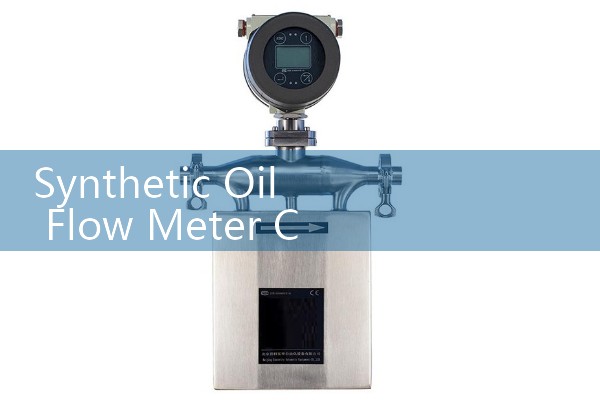
For mass-based blending of synthetic engine oils where density changes with additive dosing, we recommend the CMF series Coriolis mass flow meter. The CMF measures in kg/h directly and is immune to fluid conductivity. The wetted material is 316L with a 316L dual tube, and the sensor body gasket is PTFE. A food-grade synthetic lubricant plant in Colombia uses three CMF-DN15 meters to control the dosing of PAO base oil, viscosity index improver, and a detergent-inhibitor package. The meters hold a mass flow accuracy of plus or minus 0.15% of rate across a 20:1 turndown, verified by a reference scale each month.
FAQ
How do I know if my synthetic oil will damage the flow meter? Request a free material compatibility test from Silver Automation Instruments. Send us 500 ml of your production fluid. We immerse candidate material samples for 168 hours at your process temperature and provide a detailed report before you purchase.
Can one flow meter handle both mineral oil and synthetic oil? Possibly, but only if the meter uses a fully PTFE-lined chamber and FFKM seals. Standard meters with NBR or FKM seals will fail when you switch from mineral oil to PAO. We configure universal meters with these upgraded materials at a small cost premium.
What is the typical lead time for a synthetic oil flow meter with custom seals? For OGF series oval gear meters with FFKM seals and 316L gears, the standard lead time is 10 working days from our factory in Shanghai. Express air freight to Dubai, Jakarta, or Santiago adds 3 to 5 days.
Do you supply flow meters with ATEX certification for synthetic oil blending in Zone 1 areas? Yes. The EXD series oval gear flow meter and the CMF series Coriolis meter are available with ATEX, IECEx, or EAC Ex certifications for gas and dust atmospheres. Specify the Zone 1, IIC T4 requirement when you inquire.
What information do I need to provide for a quote? Send us your fluid type, operating temperature in degrees C, operating pressure in bar, pipe size in DN, flow range in liters per hour or kg/h, and required output signals. If you have an additive list, include that for a full material check.
Get a specific recommendation for your synthetic oil metering point. Describe the fluid chemistry, pipe size, and flow range. Tell us the maximum temperature and pressure. We will return a complete datasheet with wetted material verification. Send the details to our engineering team through the quote form on Silver Automation Instruments website.
 Hot Product
 Related AD