

『Chemical Flow Meter Vanes: Teflon PTFE Corrosive Acid Processing Fluid Loops』Related information(flow rotameter|digital flow meter|balo meter|hydraulic flow meter|volumetric meter|positive displacement meter|pitot tube flow meter|displacement meter|cfm meter|variable area flow meter|inline flow meter|differential pressure flow meter|calibrated flow meter|velocity meter|paddle wheel flow meter|oval gear flow meter|anemometer hvac|multiphase flow meter|doppler flow meter|thorpe tube flowmeter|heat flow meter)
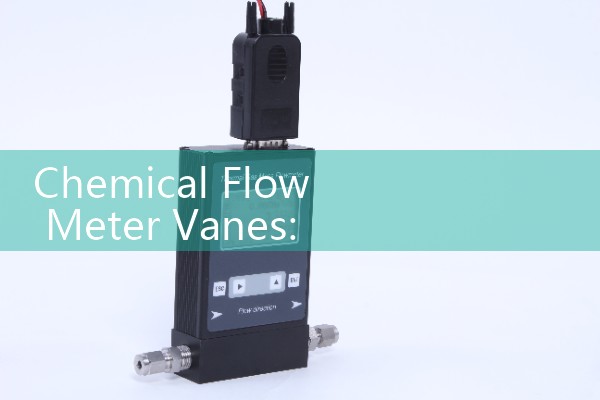
Chemical Flow Meter Vanes: Teflon PTFE for Corrosive Acid Processing Fluid Loops
Quick Answer: For corrosive acid loops, specify PTFE Teflon wetted parts for any flow meter with vanes or rotors. In many acid lines, a magnetic flow meter with a PTFE liner and no moving vanes is the better option. Send us your acid type, concentration, temperature in °C, pipe size in DN, and flow range for a specific model and price.
Acid processing fluid loops punish standard flow meters. Hydrochloric acid, sulfuric acid, and phosphoric acid attack stainless steel and even Hastelloy in certain concentrations. Silver Automation Instruments sees this often from chemical plants in Vietnam, Indonesia, and Saudi Arabia. The wrong wetted material can fail in weeks.
PTFE Teflon is a fluoropolymer. It resists nearly all acids and solvents up to about 120 °C depending on pressure. That is a reliable choice for corrosive fluid loops. But not every flow meter design works well with PTFE vanes or liners.
Why PTFE Teflon Works in Acid Processing
PTFE does not react with most acids. A 98 percent sulfuric acid line at 45 °C will not degrade PTFE. A 30 percent hydrochloric acid line at 70 °C will not degrade PTFE either. In practice, the liner or vane material outlasts metal parts by years.
But PTFE is soft. It can creep under high pressure or high temperature. That is why PTFE lined flow meters have temperature and pressure limits. Silver Automation Instruments rates standard PTFE liners for acid loops up to 120 °C and 16 bar. Some PFA liners can handle higher temperatures. Ask us if your loop runs hotter.
Vane Flow Meters vs Magnetic Flow Meters in Acid Loops
Vane flow meters have moving parts in the flow stream. The vanes rotate when acid flows. This design works for low viscosity fluids. But in corrosive acid, metal vanes fail quickly. PTFE vanes solve the corrosion issue but still wear from friction. Most engineers skip this part. They assume PTFE fixes everything. It does not fix mechanical wear at high velocity.
Here is the thing. In many acid transfer lines, you do not need a vane at all. A magnetic flow meter with a PTFE liner measures flow with no moving parts. The liner isolates the acid from the metal body. Electrodes contact the fluid. Choose Hastelloy C, tantalum, or platinum electrodes based on the acid type. This setup lasts longer and needs less maintenance.
Silver Automation Instruments offers PTFE lined magnetic flow meters from DN10 to DN600. They work for flow ranges from 0.1 m/s to 10 m/s. They output 4-20 mA HART and can come with ATEX Zone 1 certification if the plant area is hazardous.
Last year a fertilizer plant in Malaysia replaced a metal vane meter with a PTFE lined magnetic flow meter after 7 months. The alloy vanes showed deep pitting. The new PTFE lined meter has run for 14 months without a failure.
When a Vane Meter with PTFE Parts Still Makes Sense
Some chemical dosing skids use small vane or oval gear meters because they need a mechanical register or a pulse output without power. A PTFE oval gear meter can handle acid flow at low flow rates, for example 5 to 50 L/h. But double check viscosity. If the acid has viscosity below 5 cP, vane meters may slip. In practice, we have seen a paint manufacturer in Southeast Asia use a PTFE gear meter for solvent dosing at 20 L/h. That works because the meter is small and the flow is steady.
For la
Key Parameters for a Quote
Do not just ask for a chemical flow meter price. Acid applications need specific data. Send us your pressure in bar, temperature in °C, pipe size in DN, and flow range. Also include acid name and concentration. For example, 30 percent hydrochloric acid at 55 °C, pipe size DN50, flow 2 to 20 m³/h, pressure 4 bar.
We also need to know the electrical conductivity. Most acids have high conductivity. Magnetic flow meters need at least 5 µS/cm. That is no problem for hydrochloric acid or sulfuric acid. For ultra pure water or some solvents, magnetic flow meters may not work. In that case a PTFE vane or gear meter could be considered.
If the line has a PT100 temperature sensor or a pressure transmitter from Silver Automation Instruments, include those specs too. We can match the flow meter to your existing instruments.
Installation Notes for Acid Loops
Grounding is important on PTFE lined magnetic flow meters. The PTFE liner insulates the meter body. Use grounding rings or grounding electrodes. Otherwise the signal drifts. Most engineers skip this part and then call us about unstable readings.
Do not install a PTFE lined meter in a dead leg where acid sits for days. PTFE resists corrosion but the process can still form crystals or sediment. Flush the line after batch runs.
For vane meters with PTFE parts, keep velocity below 5 m/s. High velocity creates uneven wear on the vane tips. We have seen this on customer sites many times. The meter reads high after six months because the gap opens up.
FAQ: Chemical Flow Meter Vanes and PTFE Teflon Acid Loops
Can a PTFE lined magnetic flow meter handle 98 percent sulfuric acid?
Yes. PTFE liner plus tantalum or platinum electrodes works for concentrated sulfuric acid. Send us the operating temperature and flow range. We will confirm the liner rating for your pressure.
What is the maximum temperature for a PTFE liner in acid service?
Standard PTFE liners handle up to 120 °C at moderate pressure. PFA liners can handle up to 180 °C in some cases. Check the pressure temperature curve before ordering.
Do vane flow meters with PTFE vanes work for low flow acid dosing?
Yes, for small flows like 5 to 100 L/h. PTFE vanes resist corrosion. But mechanical wear still happens. For continuous duty above 2 m³/h, a magnetic flow meter lasts longer.
What acid data do you need for a quote?
Send us the acid name, concentration, temperature in °C, pressure in bar, pipe size in DN, and flow range in m³/h or L/h. Include the output signal you need, such as 4-20 mA HART or pulse.
Can you supply ATEX Zone 1 certified meters for acid loops?
Yes. Silver Instruments can provide ATEX Zone 1 certified magnetic flow meters and some positive displacement meters. Tell us the gas group and temperature class for your area.
Contact Silver Automation Instruments for a PTFE Teflon chemical flow meter. Call us at +86-25-68650347 or message us on WhatsApp at +86-25-52155837. WeChat is +86 15365082610. You can also visit flow-meter.com.au. Send us your acid type, concentration, temperature, pressure, pipe size, and flow range. We will reply with a model and price within one working day.
 Hot Product
 Related AD