

『Hydraulic Turbine Flow Meter: Engineering High-Strength Rotor Systems for Extreme Viscosity Fluid Lines』Related information(flow rotameter|digital flow meter|balo meter|hydraulic flow meter|volumetric meter|positive displacement meter|pitot tube flow meter|displacement meter|cfm meter|variable area flow meter|inline flow meter|differential pressure flow meter|calibrated flow meter|velocity meter|paddle wheel flow meter|oval gear flow meter|anemometer hvac|multiphase flow meter|doppler flow meter|thorpe tube flowmeter|heat flow meter)

Hydraulic Turbine Flow Meter: Engineering High-Strength Rotor Systems for Extreme Viscosity Fluid Lines
Quick Answer: Silver Instruments builds hydraulic turbine flow meters with hardened rotor systems for fluids from 50 cP to 200,000 cP. These meters cover line sizes from DN15 to DN300 and pressures up to 420 bar. Send us your viscosity in cP, pipe size in DN, flow range in L/min and pressure in bar for a direct quote.
Standard turbine meters lose accuracy fast in thick fluids. The rotor sees uneven torque. Bearings wear out. Output becomes unstable. We have watched this happen on hydraulic test rigs and oil blending skids.
What Changes Inside a Rotor for High Viscosity Service
High viscosity flow is not just slow. It changes the velocity profile inside the pipe. The fluid near the pipe wall moves much slower than the fluid in the center. A standard low viscosity rotor sees a different drive force at each blade tip.
Silver Instruments uses a stiffer shaft and a wider blade chord on its hydraulic turbine meters. The rotor is balanced for dense fluid. The blade pitch is reduced compared to water meters. That helps the rotor turn at a rate that stays linear with flow even when the Reynolds number is low.
High Strength Rotor Materials for Hydraulic Lines
A hydraulic turbine flow meter for extreme viscosity needs more than a plastic rotor. We spec 17-4 PH stainless steel for most rotors. Some heavy fuel oil and bitumen lines get a tungsten carbide rotor with Hastelloy C shaft. Bearings are often tungsten carbide or ceramic.
Here is the thing. The bearing pair matters more than the blade material in high viscosity. Thick fluids carry fine particles. Those particles sit between the shaft and the bearing. We have seen a paint manufacturer in Southeast Asia replace plastic bearings every three months. After switching to tungsten carbide bearings the meter ran for over two years without a service call.
Viscosity Limits and Reynolds Number in Turbine Meters
Engineers often ask if a turbine meter can handle 50,000 cP. The answer is yes if the meter is built for it. If you take a standard water turbine and pump 50,000 cP oil through it the K factor shifts. You get a reading that looks fine but is wrong by 5 to 12 percent.
Silver Instruments calibrates each hydraulic turbine meter for the customer viscosity range. We run the meter on an in house oil loop with a reference mass meter. For very thick fluids we use a batch tank and a weigh scale. You get a calibration certificate that shows K factor versus flow at the actual viscosity.
Recommended Models for Hydraulic Oils and Heavy Fluids
The Silver Instruments HVT-100 series fits DN15 to DN100 lines. It covers hydraulic oil, gear oil and heat transfer oil from 5 to 80,000 cP. Pressures go up to 350 bar with 316L stainless body. Outputs include pulse, 4 to 20 mA HART and Modbus RTU.
The HVT-400 series fits DN80 to DN300 lines. It handles fuel oil, bitumen, molasses and other fluids from 50 to 200,000 cP. The rotor is oversized and the body has a heating jacket option. In practice you want a heating jacket for anything above 50,000 cP because pipe wall drag reduces meter repeatability at low temperature.
For explosive areas both series can be supplied with ATEX Zone 1 and IECEx certification. The pickup is a dual channel magnetic pickup. The local display is not standard. Silver Instruments supplies a remote converter with a 12 m cable.
Calibration and Signal Output
Most engineers skip this part. Viscosity compensation is not a software fix
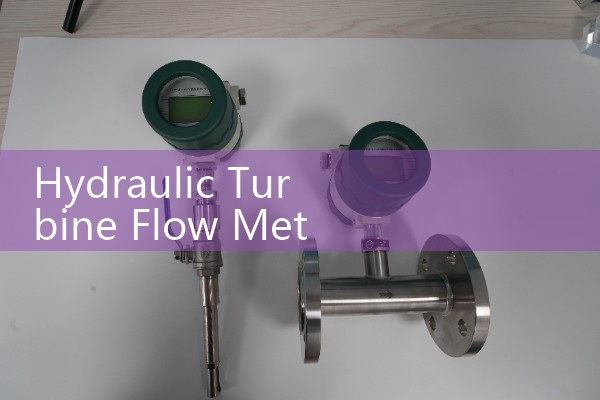
Silver Instruments stores a 10 point K factor curve in the converter. The converter also accepts a PT100 input. The PT100 measures temperature. The converter uses temperature to correct for viscosity changes on the fly. For high viscosity lines we recommend a converter with pulse, 4 to 20 mA HART and Modbus RTU all active. This gives you total flow and rate flow at the same time.
Installation Notes for Extreme Viscosity Lines
Straight pipe runs matter more with thick fluids. We require 10 upstream diameters and 5 downstream diameters as a minimum for the HVT series. If you install the meter after a gear pump or a progressive cavity pump, do not skip the straight run. Pulsation from the pump will reach the rotor and create false peaks.
A strainer is not optional on viscous lines. Use a 40 mesh strainer upstream. In heavy fuel oil service use a 20 mesh strainer. The strainer protects the bearing pair from pipe scale and weld slag. A blocked pickoff from metal particles is a common avoidable failure.
Customer Site Examples
Last year a customer in Vietnam ordered an HVT-400DN80 for 25,000 cP epoxy resin. The flow range was 20 to 2000 L/min. The line ran at 120 degrees C and 18 bar. They needed a pulse output to the PLC and a local totalizer. The meter has been running since March 2024 with less than 0.3 percent repeatability.
Another site in Mexico uses the HVT-100DN25 on a hydraulic oil blending line. They check the meter against a weigh scale every month. The deviation stays under 0.2 percent. The fluid is mineral oil at 150 cP and 40 bar.
Quote Checklist
Send us these details for a fast quotation:
Fluid type and viscosity in cP. Pipe size in DN. Flow range in L/min or m3/h. Pressure in bar. Temperature in degrees C. Output signal you need. Hazardous area certification if required.
You can use pulse output for a PLC totalizer. Choose 4 to 20 mA HART for rate monitoring. Modbus RTU is available for plant automation systems.
Frequently Asked Questions
What is the maximum viscosity for a Silver Instruments hydraulic turbine flow meter?
The HVT-400 series handles up to 200,000 cP with a heating jacket. The HVT-100 series handles up to 80,000 cP.
Can I use a hydraulic turbine flow meter for water and oil in the same line?
Yes, but you need to tell us the full viscosity range. The meter can store two calibration curves. The switch can be made by a digital command or a contact input.
What is the pressure rating of the HVT series?
The standard 316L body is rated for 350 bar. A 420 bar option is available for DN15 to DN50. High pressure bodies use welded connections and a thicker wall.
Does the meter need a straight run upstream?
Yes. 10 upstream diameters and 5 downstream diameters are the minimum. For slurries or bitumen use 15 upstream diameters.
Is the meter available with ATEX certification?
Yes. The hydraulic turbine meter can be supplied with ATEX Zone 1 and IECEx. The pickup is a passive magnetic type and can be connected to a safe area converter.
Contact Silver Automation Instruments for a quote. Tel: +86-25-68650347. Whatsapp: +86-25-52155837. WeChat: +86 15365082610. Visit flow-meter.com.au for product drawings and pressure drop charts. Tell us your viscosity in cP, pipe size in DN, flow range in L/min and pressure in bar.
 Hot News
 Related AD